Vehicle Lighting System
What's Inspected: All exterior lights including headlights, brake lights, indicators, hazard lights, reversing lights, fog lights, and number plate illumination — checking for function, correct colour, alignment, and condition.
Consequence if Not Tested: Risk of accidents due to poor visibility.
Benefits of Testing: Early detection of electrical faults, improved safety, and compliance with road regulations.
Braking System (including regenerative braking)
What's Inspected: Brake pads, discs, hydraulic fluid, pipes, ABS warning lights, handbrake efficiency, and overall braking performance. For EVs, the interaction between regenerative and friction braking systems is also assessed.
Consequence if Not Tested: Dangerous driving conditions that could lead to accidents.
Benefits of Testing: Peace of mind that your vehicle can stop safely and that regenerative systems are functioning correctly.
Steering and Suspension
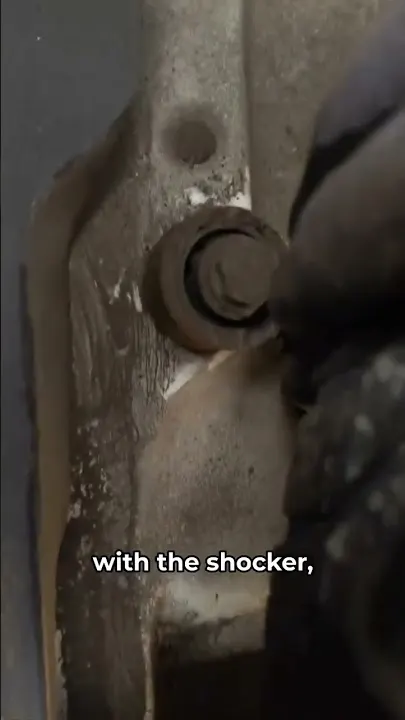
What's Inspected: Steering rack, wheel bearings, suspension springs, shock absorbers, and all joints and mountings. EVs often carry additional weight from battery packs, making suspension condition particularly important.
Consequence if Not Tested: Unpredictable handling and accelerated tyre wear.
Benefits of Testing: Better handling and stability, reduced tyre wear, and early warning of potential suspension failures.
Tyres and Wheels
What's Inspected: Tread depth (minimum 1.6mm), condition, pressure, size compatibility, and secure wheel attachment. EV torque characteristics can place greater demands on tyres.
Consequence if Not Tested: Risk of blowouts, poor grip in wet conditions, and potential for serious accidents.
Benefits of Testing: Optimal road grip, better efficiency, and reduced risk of tyre-related incidents.
Body Structure and General Items
What's Inspected: Vehicle structure, chassis condition, body corrosion, door operation, mirrors, registration plates, VIN number, and general vehicle security.
Consequence if Not Tested: Structural weakness leading to safety risks and potential insurance issues.
Benefits of Testing: Maintains vehicle value, ensures structural integrity, and identifies corrosion before it becomes serious.
Visibility Items
What's Inspected: Windscreen condition, wipers, washers, mirror condition, and window tint levels.
Consequence if Not Tested: Compromised visibility in poor weather conditions.
Benefits of Testing: Clear vision in all conditions and compliance with visibility regulations.
High Voltage and Electrical Safety Systems
What's Inspected: The condition and security of high-voltage cabling, connectors, warning labels, and safety isolation systems. Any visible damage or exposed components that present a risk.
Consequence if Not Tested: Serious risk of electric shock or fire.
Benefits of Testing: Assurance that your vehicle's high-voltage architecture is safe for you, your passengers, and anyone working on the vehicle.
Interior Safety Equipment
What's Inspected: Seatbelts, airbag warning lights, horn, dashboard warning lights, and seat security. EV-specific warning lights and displays are also reviewed.
Consequence if Not Tested: Risk of injury in accidents due to faulty safety equipment.
Benefits of Testing: Confirmation that safety systems will operate as intended.
Noise Level and Control
What's Inspected: Acoustic vehicle alerting systems (AVAS) — the pedestrian warning sound legally required on EVs at low speed — as well as general noise control.
Consequence if Not Tested: Risk of fines for non-compliance and danger to pedestrians.
Benefits of Testing: Compliance with legal requirements and improved pedestrian safety.
Registration and Documentation
What's Inspected: VIN and chassis numbers matched against documentation, registration plate compliance, and vehicle identity verification.
Consequence if Not Tested: Unable to tax vehicle, potential investigation for identity issues.
Benefits of Testing: Proof of vehicle legitimacy and a smoother sale process.