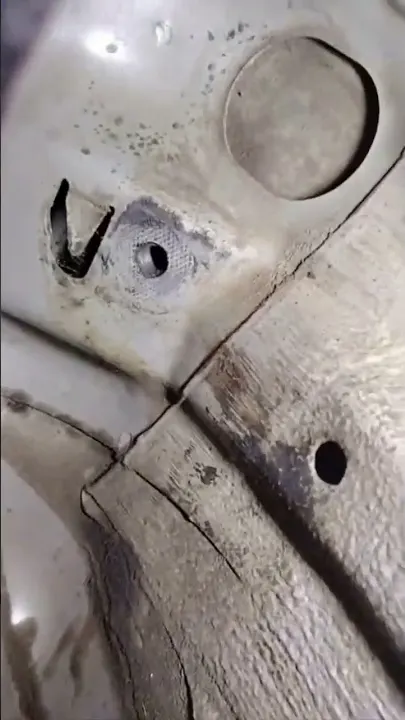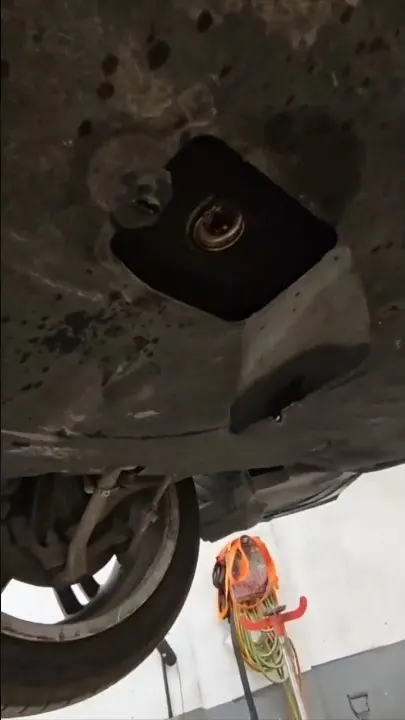

An Audi came into us recently for what might seem like a minor job, a pollen filter replacement. The owner had noticed the airflow from the vents felt weaker than it used to, and in warmer weather the air conditioning was taking longer to cool the cabin down. Neither of those things on their own would stop you driving, but both of them together are a clear sign the filter has reached the end of its life. We checked it, and it had.
The Pollen Filter Was Completely Blocked with Dust and Debris
The pollen filter sits inside the ventilation system and cleans the air before it comes into the cabin. Every time you switch on the heating, air conditioning or blower, air is pulled in from outside and passed through this filter before it reaches you and your passengers. It catches pollen, dust, road grime and fine particles that you would otherwise be breathing in.
On this Audi the filter was well past its best. It was heavily loaded with compacted dust and debris, and the material itself had started to break down. A filter in that condition does two things. First, it restricts the airflow through the system, so your blower has to work harder to push air through, and the output at the vents drops noticeably. Second, it stops doing its job properly, so the air quality inside the car falls and anyone with allergies or respiratory sensitivity will feel it.
Leaving a Blocked Filter Creates Extra Strain and Rising Costs
A blocked pollen filter is not just a comfort issue. When airflow is restricted, the blower motor has to work against that resistance every time you run the ventilation system. Over time that added strain can shorten the life of the motor. A new pollen filter on an Audi costs a fraction of what a blower motor costs to replace. If a customer had come to us with a failed blower motor and we traced it back to a filter that had never been changed, that would be a preventable bill.
On top of that, a restricted system means your air conditioning is less efficient. The compressor and refrigerant circuit are doing their job, but if the airflow is choked at the filter the cold air cannot circulate properly. The system runs longer to achieve the same result, which puts more load on components that are not cheap to fix.
We Fitted a New Filter and Confirmed the System Was Running Freely
We removed the old filter, cleared any debris from the housing and fitted a new filter that meets the specification for this Audi. With a clean filter in place the airflow through the vents returned to the correct level and the ventilation system was able to breathe properly again. The job took a short time and the owner left with a noticeably improved cabin environment.
Most manufacturers recommend changing the pollen filter every 12 to 15 thousand miles or once a year, whichever comes first. In practice a lot of cars come to us with filters that have been in place for two or three years and are well beyond that point.
Signs to Watch for on Your Own Car
If you drive any make of car and notice weaker airflow from your vents, musty or stale air in the cabin, or your air conditioning taking longer than usual to cool things down, the pollen filter is the first thing worth checking. It is one of the simpler and more affordable services we carry out, and catching it early protects other parts of the system.
At Platinum Vehicle Services in Walsall we service and repair a wide range of vehicles including Audi, Mercedes, BMW, Volkswagen and Ford, covering everything from routine servicing and filter replacements to full mechanical repairs and MOT testing. We are trusted by drivers across Walsall, Bloxwich, Aldridge, Willenhall and Brownhills to give them an honest assessment and a clear explanation of any work that needs doing.
If you would like to book your car in or have a question about any service, visit us at platinumvehicleservices.co.uk or leave us a message any time on 07970901354 and one of the team will get back to you as soon as possible.