How Can You Tell if Your VW Crafter Has Had Poor Brake Work Done?
Your VW Crafter is likely the backbone of your business, and there's nothing more important than knowing your brakes are safe and reliable. Unfortunately, not all brake work is carried out to the same standard.
Over the years, we've seen countless Crafters come into our workshop where previous brake repairs have been done poorly or with substandard parts. The consequences can be serious, not just for your safety but also for your business operations and legal compliance.
Warning Signs You Can Spot Yourself
There are several telltale signs that suggest your Crafter's brake work might not have been done properly. If your brake pedal feels spongy or travels further to the floor than it used to, this could indicate air in the brake lines or incorrect bleeding procedures.
Listen out for grinding, squealing, or clicking noises when you brake. While some noise can be normal, persistent or loud sounds often point to poor quality pads, incorrect fitting, or missing anti-squeal shims that should have been replaced during the service.
Pay attention to how your van pulls when braking. If it veers to one side consistently, this might mean the brake components weren't properly cleaned, lubricated, or aligned during installation.
What Poor Workmanship Looks Like Under the Hood
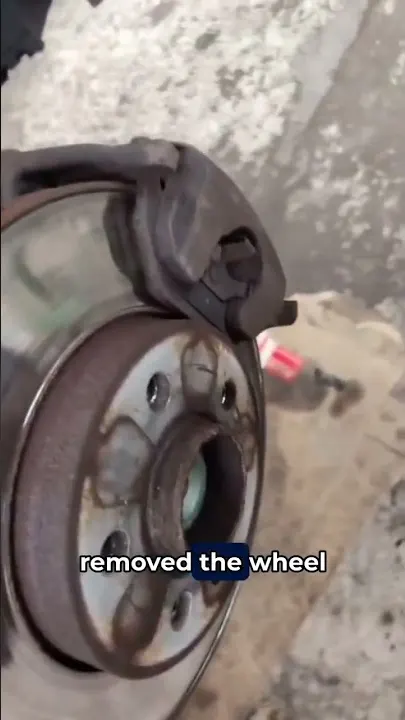
When we inspect Crafters that have had questionable brake work, we often find several common issues. Brake fluid that looks dirty or contaminated suggests the system wasn't properly flushed, or cheap fluid was used instead of the correct DOT specification.
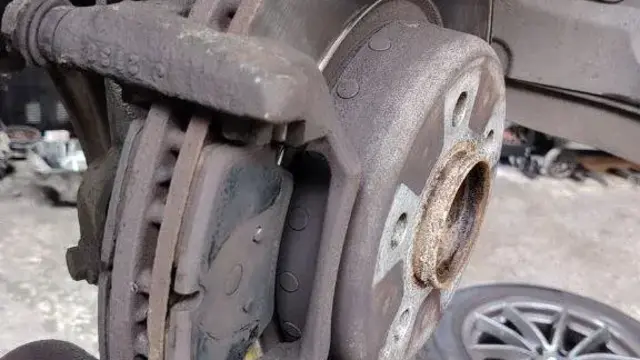
We frequently see brake pads that have been fitted incorrectly, sometimes even backwards, or without the proper copper grease on contact points. This leads to premature wear and potential safety issues down the line.
Another red flag is when we find mismatched brake components or parts that clearly aren't designed for your specific Crafter model. Quality workshops will always use the right parts for your van's year and specification.
The Legal and Safety Implications You Need to Know
Poor brake work on your Crafter isn't just an inconvenience, it can have serious legal consequences. If your van fails an MOT due to brake issues that should have been properly addressed in previous work, you might find yourself off the road unexpectedly.
More importantly, if poorly maintained brakes contribute to an accident, you could face legal liability issues. Insurance companies will investigate the maintenance history of commercial vehicles involved in incidents, and substandard repairs could affect your coverage.
That's why we always provide detailed videos of any brake work we carry out, showing you exactly what we've found and what needs doing. You deserve to understand what's happening with your vehicle, and having that documentation protects both you and us.
If you're concerned about previous brake work on your Crafter, don't wait until your next MOT. A thorough brake inspection can give you peace of mind and keep you legally compliant on the roads.
What Causes Wheel Vibration in My VW Golf When Using Aftermarket Wheels?
Installing new aftermarket wheels on your VW Golf can transform its appearance, but sometimes you might notice vibrations that weren't there with your original wheels. Over the years, my son and I have diagnosed countless vibration issues for Golf owners here in Walsall, and the causes are usually straightforward once you know what to look for.
Understanding why your Golf vibrates with aftermarket wheels can save you time, money, and the frustration of an uncomfortable drive. Let me walk you through the most common culprits we encounter in our workshop.
Incorrect Wheel Balance and Hub Centering
The most frequent cause of vibration with aftermarket wheels is improper balancing or hub centering issues. Your original VW wheels were designed specifically for your Golf's hub dimensions, typically 57.1mm center bore.
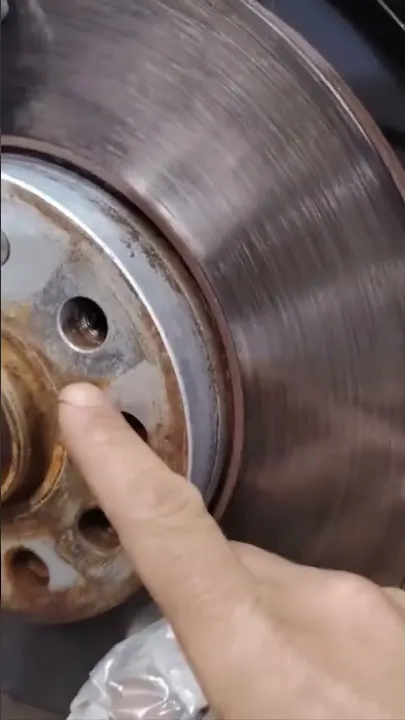
When aftermarket wheels have a larger center bore, they rely on hub-centric rings to center properly on your car's hub. Without these rings, or with incorrect ones, the wheel sits off-center even when the lug bolts are tight. This creates an imbalance that becomes noticeable at motorway speeds.
We always show our customers the difference between hub-centric and lug-centric mounting through video demonstrations. The vibration usually manifests as a rhythmic shaking through the steering wheel or seat, particularly between 50-70mph speeds.
Weight and Offset Differences from Original Equipment
Aftermarket wheels often have different weights and offsets compared to your Golf's factory wheels. VW engineers calculated the original wheel specifications to work harmoniously with your car's suspension geometry and weight distribution.
When the new wheels are significantly heavier or have different offset measurements, this changes how forces transfer through your suspension components. Your Golf's suspension bushings, bearings, and dampers experience different loads than they were designed for.
We've found that even wheels marketed as "direct fit" can sometimes have subtle specification differences that create vibrations. During our inspections, we measure the actual offset and weight differences to determine if they're within acceptable tolerances for your specific Golf model.
Installation and Torque Specification Issues
Proper installation goes beyond simply tightening the wheel bolts. VW Golfs require specific torque settings, typically around 120Nm, applied in the correct sequence to ensure even pressure distribution.
Aftermarket wheels sometimes require different bolt types or lengths compared to the original equipment. Using incorrect bolts can create uneven clamping forces, leading to microscopic wheel movement that translates into noticeable vibration.
In our workshop, we always verify that the wheel bolt engagement meets VW's safety requirements and document this for our customers. We've seen cases where wheels appeared secure but were actually undertorqued or using bolts that were too short for the wheel thickness, creating dangerous driving conditions alongside the vibration symptoms.