Raq Hassan Raq Hassan

The Bread-Powered BMW: An Unexpected Air Filter Find
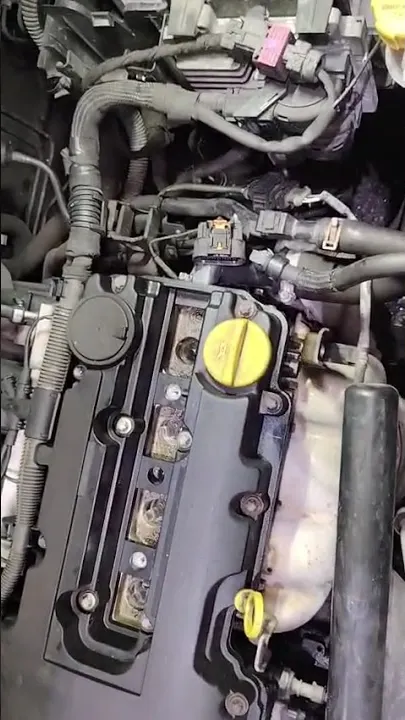
Sometimes diagnosing a car feels more like detective work than mechanical work. A BMW came into Platinum Vehicle Services in Walsall recently with the engine running rough and lacking its usual response. On these models you would typically start looking at sensors or the swirl flaps. This time the problem was considerably more unexpected.

What We Found

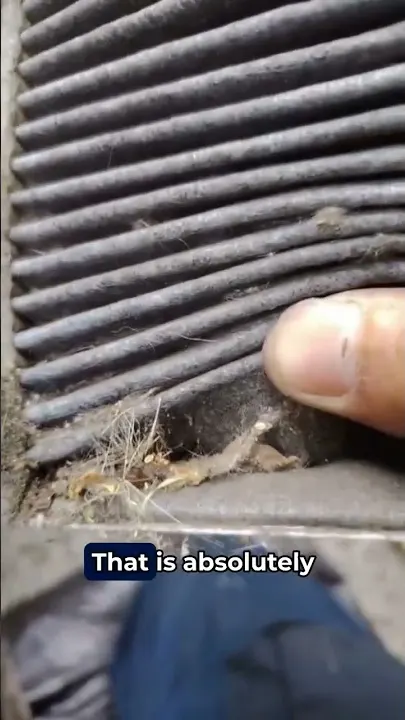
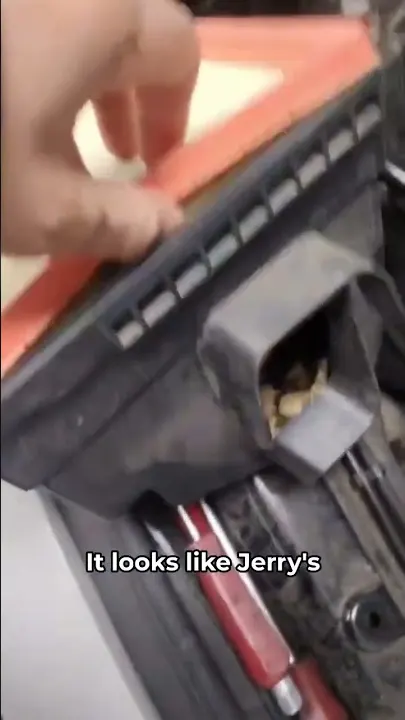
When we pulled the air filter housing apart the cause became immediately clear. It was not a mechanical failure or a fault code. A rodent had turned the air box into a fully stocked pantry. The housing was packed with stale bread, birdseed, nuts, and shredded nesting material, all sitting directly in the airway. An engine needs a large volume of clean air to run properly. With that much material stuffed into the intake, this BMW was struggling to breathe, which explained the rough idle and the lack of power the owner had noticed.

Why Rodents in an Engine Bay Are a Serious Problem

It makes for a good story, but the reality is that a rodent living in your engine bay is a genuine risk worth taking seriously. If they are comfortable enough to set up a food store in the air box, they are almost certainly chewing on wiring elsewhere in the bay, which can lead to significant electrical repair bills. In worse cases, debris can be drawn past a chewed filter and directly into the turbo or cylinders, causing damage that is far more expensive to put right than a fresh filter and a clean out.

What to Watch For

If your car is parked for long periods, kept near bins, or sits close to a garden or overgrown area, it is worth a quick look under the bonnet every now and then. A sudden drop in performance, a strange smell through the vents, or a rough running sensation are all worth getting checked promptly. The sooner it is looked at, the less likely it is to have developed into something more serious.

Sorted and Back on the Road

We cleared out the housing, fitted a fresh air filter, and checked the surrounding wiring and components to make sure nothing else had been interfered with. The BMW left running as it should. If your car is feeling sluggish or something does not seem right, bring it into Platinum Vehicle Services in Walsall and we will find out what is going on.

Read More
Raq Hassan Raq Hassan

Vauxhall Corsa Cold Start Problems? How an oil leak could be the cause

If your Vauxhall Corsa is struggling to start on cold mornings, you might be surprised to learn that an oil leak could be the culprit. As a mechanic here in Walsall, I see this combination more often than you'd think.

When oil leaks from your engine, it doesn't just make a mess on your driveway. It can affect how your engine performs, especially when the temperature drops. Let me walk you through what's happening and what you should look out for.

Why Oil Leaks Make Cold Starts Harder

Your Vauxhall Corsa relies on proper oil pressure and circulation to start smoothly. When there's a leak, your engine might not have enough oil to lubricate all the moving parts properly.

During cold weather, oil becomes thicker and flows more slowly. If you're already running low on oil due to a leak, your engine has to work much harder to get everything moving. This puts extra strain on your starter motor and battery.

The engine management system in modern Corsas is quite clever. If it detects low oil pressure or unusual readings, it might make starting more difficult to protect the engine from damage.

Common Oil Leak Points in Vauxhall Corsas

In my experience working on Corsas, there are several spots where oil commonly leaks. The rocker cover gasket is a frequent offender, especially on older models.

The oil pan gasket can also fail over time, particularly if the car has covered high mileage. You'll often see dark patches on your driveway or parking spot if this is the issue.

Oil filter housing leaks are another common problem. When we service these vehicles, we always check the filter housing seal, as it can deteriorate and cause slow but steady oil loss.

What You Should Do Next

First, check your oil level using the dipstick when the engine is cold. If it's below the minimum mark, you'll need to top it up immediately, but don't overfill it.

Look under your car for any obvious oil patches or stains. Fresh oil will appear dark and wet, while older leaks might look more like dark stains on the ground.

If you're experiencing cold start problems alongside visible oil loss, it's worth having a professional diagnosis. We always show our customers exactly what we find, often using video footage so you can see the problem areas yourself. This way, you can make an informed decision about repairs without any pressure.

Remember, ignoring oil leaks can lead to much more expensive problems down the line. Early diagnosis and repair usually save money in the long run.

For more helpful tips and to see some of the work we do here in Walsall, check out our YouTube channel: https://www.youtube.com/@PlatinumVehicleServices/shorts

Read More
Omar Khan Omar Khan

BMW Oil Change Essentials: Why Replacing the Sump Plug Washer is Critical for Your Engine

When you bring your BMW in for an oil change, there's a small but crucial component that many garages overlook or try to skip. It's called the sump plug washer, and replacing it every single time is absolutely essential for your engine's health.

Running our garage here in Walsall, we see far too many BMWs come through our doors with oil leaks that could have been easily prevented. Let me explain why this tiny washer matters so much and why regular oil changes are vital for your car.

What is the Sump Plug Washer?

The sump plug washer is a small copper or aluminium ring that sits between your oil sump plug and the oil pan. Think of it as a gasket that creates a watertight seal when the plug is tightened back into place after an oil change.

This washer is designed to compress and deform slightly when the sump plug is torqued to the correct specification. Once it's been compressed, it cannot return to its original shape, which is why it must be replaced every time the plug is removed.

Why Must the Washer Be Replaced Every Oil Change?

Here's the thing that many drivers don't realise. Once that washer has been compressed, it's done its job for that one installation. If you try to reuse it, you're essentially trying to create a seal with a component that's already been permanently deformed.

When we show our customers the old washer on video during their service, you can clearly see how it's been flattened and shaped to the previous installation. No amount of cleaning or repositioning will make it seal properly again.

BMW designed these washers to be single-use components for good reason. They know that the engine oil pressure and temperature cycles will stress this seal point significantly.

What Happens When You Don't Replace the Washer?

We've seen the consequences many times, and they're always preventable. The most immediate problem is oil seepage around the sump plug. This might start as just a few drops on your driveway, but it will get worse over time.

Oil leaks create several serious problems for your BMW. First, you're gradually losing the oil that protects your engine's moving parts. Even a slow leak can result in dangerously low oil levels if not monitored closely.

Second, leaking oil creates an environmental hazard and can damage your driveway or garage floor. More importantly, oil on the road surface can be dangerous for motorcyclists and other drivers.

The leaked oil will also collect dirt and debris, creating a messy buildup around the engine area. This makes it harder to spot other potential issues during routine inspections.

Why Timely Oil Changes Are Absolutely Critical for Your BMW

Beyond the washer issue, let's talk about why keeping up with regular oil changes on time is so critical for your BMW's engine health. Modern BMW engines are precision-engineered machines with very tight tolerances between moving parts.

Engine oil serves multiple vital functions in your BMW. It lubricates all the moving parts, reducing friction and wear. Without fresh oil, metal components would grind against each other, causing catastrophic damage within minutes of running.

The oil also carries away heat from critical components like the pistons and bearings, helping to regulate engine temperature. Additionally, the oil acts as a cleaning agent, picking up tiny metal particles and combustion byproducts as it circulates through the engine.

Here's what many BMW owners don't understand about oil change timing. BMW specifies service intervals based on extensive testing of how their oils break down under normal operating conditions. When you exceed these intervals, you're essentially gambling with your engine's health.

Over time, engine oil becomes contaminated with these particles and starts to break down chemically. The molecules that give oil its protective properties literally fall apart under the stress of high temperatures and constant circulation.

When oil gets old and contaminated, it loses its ability to protect your engine effectively. Thick, dirty oil doesn't flow as easily through narrow passages in your engine. This means some components might not get adequate lubrication, leading to increased wear and potential damage.

Old oil also loses its chemical properties that prevent corrosion and neutralise acids formed during combustion. These acids can eat away at engine components if left unchecked by fresh oil with the right additive package.

The importance of timing becomes even more critical with modern BMW engines. The newer turbocharged models are especially sensitive to oil quality because the turbocharger components spin at incredibly high speeds and rely on clean, fresh oil for both lubrication and cooling.

We've seen what happens when owners think they can stretch oil change intervals to save money. The repair bills that follow are always far more expensive than the cost of regular maintenance would have been.

Skipping oil changes or extending intervals beyond BMW's recommendations can lead to expensive problems. We've seen engines with scored cylinder walls, damaged bearings, and failed turbochargers, all because the oil wasn't changed frequently enough.

BMW's service intervals aren't arbitrary numbers designed to make garages more money. They're based on scientific testing of how long their approved oils can maintain their protective properties under real driving conditions.

The Right Way to Handle BMW Oil Changes

When you bring your BMW to our garage, we always replace the sump plug washer as standard practice. It's not an optional extra or something we'll ask if you want to skip to save money.

We'll show you the old washer and explain why it needs replacing. This transparency helps you understand what we're doing and why every step matters for your car's health.

The new washer costs just a few pounds, but it prevents problems that could cost hundreds or thousands to fix later. We always use genuine BMW washers or OEM equivalent parts that meet the exact specifications.

We also follow BMW's torque specifications exactly when reinstalling the sump plug. Over-tightening can damage the oil pan threads, while under-tightening won't compress the new washer properly.

Understanding BMW Oil Specifications

Not all engine oils are created equal, and this is especially true for BMW engines. BMW has specific oil approvals like LL-01, LL-04, and LL-17 FE that ensure the oil meets their exact requirements for viscosity, temperature performance, and additive packages.

Using the wrong oil specification can void your warranty and cause real damage to your engine. We always check your specific BMW model and year to ensure we're using the correct approved oil specification.

Some BMWs require low-viscosity oils for fuel economy, while others need different formulations for high-performance engines. This isn't something you can guess at, it requires following BMW's exact specifications for your particular engine.

Red Flags to Watch For

If you're getting your oil changed elsewhere, here are some warning signs that corners might be cut. Any garage that suggests the washer doesn't need replacing every time should be avoided.

Be wary of places that offer extremely cheap oil changes without explaining what's included. The cost of a proper BMW oil change includes quality oil that meets BMW specifications, a genuine filter, and yes, a new sump plug washer.

If you notice oil spots appearing on your driveway shortly after an oil change, the washer may not have been replaced or the sump plug wasn't properly tightened.

Looking After Your Investment

Your BMW represents a significant investment, and proper maintenance is essential to protect that investment. Regular oil changes with properly replaced washers are fundamental to keeping your engine running smoothly for years to come.

We always recommend following BMW's service intervals rather than trying to extend them to save money. The cost of regular maintenance is far less than the cost of major engine repairs down the road.

As a local business, we take pride in doing things the right way every time. When we video your car's service, you'll see exactly what we're doing and why each step matters for your BMW's health and your safety on the road.

That little washer might seem insignificant, but it plays a crucial role in keeping your engine oil where it belongs. Combined with timely oil changes using quality oil and filters that meet BMW's specifications, these seemingly small details make all the difference in your BMW

Read More