Broken Coil Spring on a VW Polo. Walsall Suspension Repair
23 February
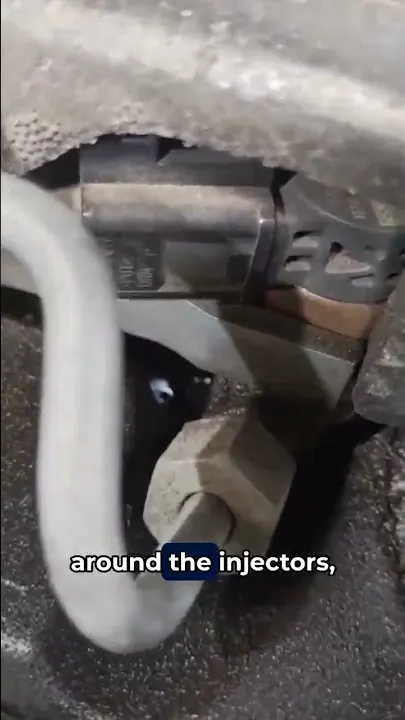
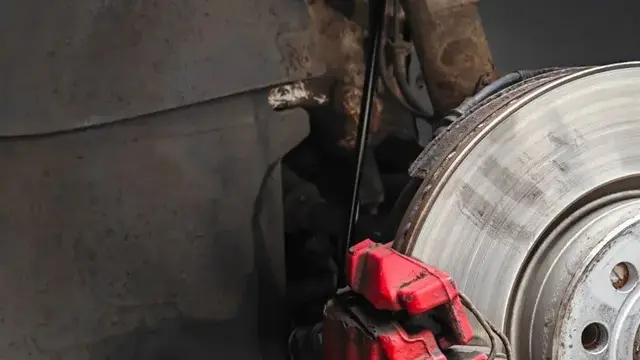
A customer brought their VW Polo into us recently with a familiar complaint: a knocking noise every time they hit a speed hump. It is the kind of thing you notice, ignore for a week, then cannot stop hearing. Once we got it on the ramp, the cause was obvious. A completely snapped coil spring.
How a Shock Absorber Destroys a Coil Spring
This is something we see more often than people realise. The coil spring rarely fails on its own. In this case, a worn shock absorber was the culprit. When a shock absorber starts to go, it stops doing its job of absorbing impact. That load gets transferred directly onto the spring, and over time the metal simply gives way.
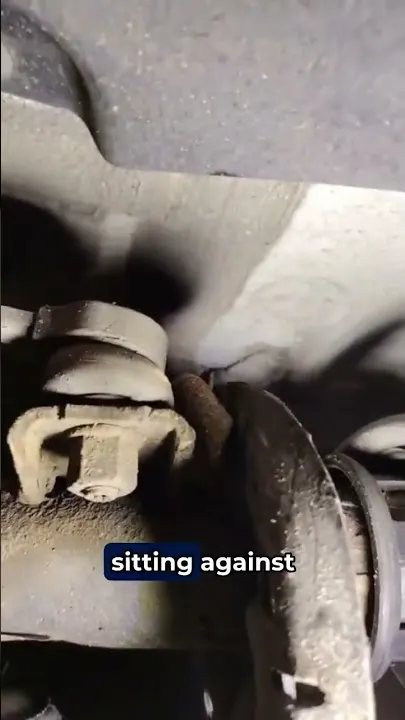
As you can see in the video, the spring had snapped clean through and the broken section was sitting against the shock absorber body, which is exactly as dangerous as it sounds. Left unchecked, this leads to unpredictable handling, uneven tyre wear, and a suspension that could give way entirely at the wrong moment.
Why Suspension Problems Do Not Fix Themselves
A slightly bouncy ride or a knock over speed humps is easy to put off. But suspension issues compound quickly. One worn component puts stress on the next, and what starts as a relatively straightforward shock absorber job can turn into a full strut replacement plus associated damage.
Suspension Checks for VW Owners in Walsall
If you are driving a VW Polo, Golf, or Passat around Walsall, Willenhall, or anywhere across the West Midlands, your suspension is taking a beating on local roads every day. We specialise in German vehicles and know the tolerances these cars are built to.
If you are hearing knocking or clunking, or your car feels like it is leaning or bouncing more than usual, get it checked before it becomes a bigger problem. Early diagnosis is almost always cheaper than the alternative.
Your VW Up Handbrake Failed Its MOT? Here's What's Likely Going On
If you're reading this, chances are your VW Up has just failed its MOT because of handbrake issues. Don't panic – this is actually one of the most common problems we see with these little cars here at our Walsall workshop.
The good news is that handbrake faults on the VW Up are usually straightforward to diagnose and fix. Let me walk you through what's probably happening and what you can expect.
Cable Stretch and Adjustment Issues
Nine times out of ten when a VW Up fails its MOT on the handbrake, it's down to cable stretch. These cars use a traditional cable-operated handbrake system, and over time those cables naturally stretch out.
What happens is simple physics really. Every time you pull that handbrake lever, you're putting tension through the cable system. After thousands of applications, the cables lose their tightness and can't pull the brake shoes or pads firmly enough against the discs or drums.
The MOT tester will put your car on the brake testing equipment, and if the handbrake isn't holding the car with enough force, that's an immediate fail. Usually this just needs a cable adjustment or replacement, which is a fairly routine job that takes a couple of hours.
Worn Brake Components Behind the Problem
Sometimes the cable adjustment reveals a deeper issue. If we adjust the cables and the handbrake still isn't performing properly, we're looking at worn brake components.
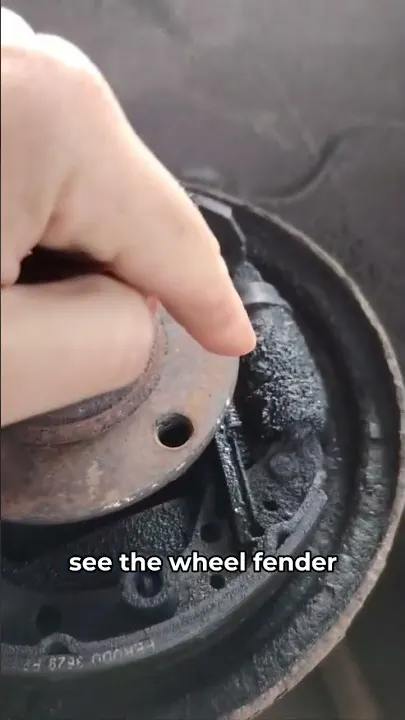
On VW Ups with rear disc brakes, the handbrake mechanism works through small shoes inside the rear brake discs. These shoes wear down over time and may need replacing. If your Up has rear drum brakes, the brake shoes themselves might be worn beyond their service limit.
Another component that causes problems is the handbrake compensation mechanism. This is designed to automatically adjust for wear, but it can seize up or fail. When we video these issues for our customers, you can actually see how the mechanism isn't moving properly when the handbrake is applied.
What This Means for Your Wallet and Timeline
The cost really depends on what we find when we investigate properly. A simple cable adjustment might cost you around £80 to £120 including labour. If we need to replace the handbrake cables entirely, you're looking at roughly £150 to £250 depending on parts availability.
If the issue is worn brake shoes or problems with the compensation mechanism, costs can rise to £200 to £400. The good news is that most handbrake repairs on VW Ups can be completed within a day, so you won't be without your car for long.
Remember, you've got ten working days from your MOT fail to get the issues sorted and bring the car back for a free retest. We always explain exactly what needs doing and show you the problems before any work begins, so you can make an informed decision about how to proceed.
How Can You Tell if Your VW Crafter Has Had Poor Brake Work Done?
Your VW Crafter is likely the backbone of your business, and there's nothing more important than knowing your brakes are safe and reliable. Unfortunately, not all brake work is carried out to the same standard.
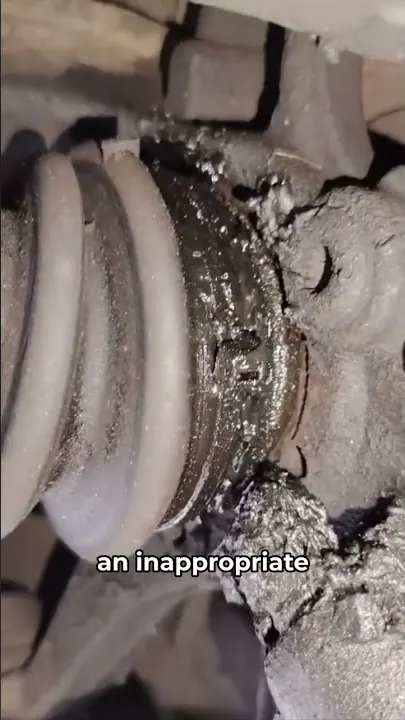
Over the years, we've seen countless Crafters come into our workshop where previous brake repairs have been done poorly or with substandard parts. The consequences can be serious, not just for your safety but also for your business operations and legal compliance.
Warning Signs You Can Spot Yourself
There are several telltale signs that suggest your Crafter's brake work might not have been done properly. If your brake pedal feels spongy or travels further to the floor than it used to, this could indicate air in the brake lines or incorrect bleeding procedures.
Listen out for grinding, squealing, or clicking noises when you brake. While some noise can be normal, persistent or loud sounds often point to poor quality pads, incorrect fitting, or missing anti-squeal shims that should have been replaced during the service.
Pay attention to how your van pulls when braking. If it veers to one side consistently, this might mean the brake components weren't properly cleaned, lubricated, or aligned during installation.
What Poor Workmanship Looks Like Under the Hood
When we inspect Crafters that have had questionable brake work, we often find several common issues. Brake fluid that looks dirty or contaminated suggests the system wasn't properly flushed, or cheap fluid was used instead of the correct DOT specification.
We frequently see brake pads that have been fitted incorrectly, sometimes even backwards, or without the proper copper grease on contact points. This leads to premature wear and potential safety issues down the line.
Another red flag is when we find mismatched brake components or parts that clearly aren't designed for your specific Crafter model. Quality workshops will always use the right parts for your van's year and specification.
The Legal and Safety Implications You Need to Know
Poor brake work on your Crafter isn't just an inconvenience, it can have serious legal consequences. If your van fails an MOT due to brake issues that should have been properly addressed in previous work, you might find yourself off the road unexpectedly.
More importantly, if poorly maintained brakes contribute to an accident, you could face legal liability issues. Insurance companies will investigate the maintenance history of commercial vehicles involved in incidents, and substandard repairs could affect your coverage.
That's why we always provide detailed videos of any brake work we carry out, showing you exactly what we've found and what needs doing. You deserve to understand what's happening with your vehicle, and having that documentation protects both you and us.
If you're concerned about previous brake work on your Crafter, don't wait until your next MOT. A thorough brake inspection can give you peace of mind and keep you legally compliant on the roads.
What are the warning signs of CV joint damage in my Golf and why does it happen?
If you're driving around Walsall and hearing strange clicking noises when turning corners, your Golf might be trying to tell you something important about its CV joints. As a family-run garage, we see CV joint problems regularly in Volkswagen Golfs, and the good news is that catching the warning signs early can save you from more expensive repairs down the road.
CV joints are crucial components that transfer power from your engine to your wheels while allowing them to move up and down with your suspension. When they start to wear out, your Golf will give you several clear warning signs before they fail completely.
Listen for clicking and knocking sounds
The most common sign of CV joint wear is a distinctive clicking or knocking noise when you're turning corners, especially from a standstill or at low speeds. You'll typically hear this when pulling out of your driveway or navigating car parks around Walsall.
The noise happens because the worn CV joint can't maintain smooth contact between its internal components during the turning motion. If you're hearing this sound, it's worth having it checked sooner rather than later, as continued driving can lead to complete joint failure.
Watch out for vibration and handling changes
A damaged CV joint often causes noticeable vibration through the steering wheel, particularly during acceleration. You might feel like your Golf is shuddering or struggling to transfer power smoothly to the wheels.
Some drivers also notice that their car feels less stable when accelerating around bends or roundabouts. This happens because the damaged joint can't maintain consistent power delivery, affecting how your Golf handles on the road.
Why CV joints fail in Volkswagen Golfs
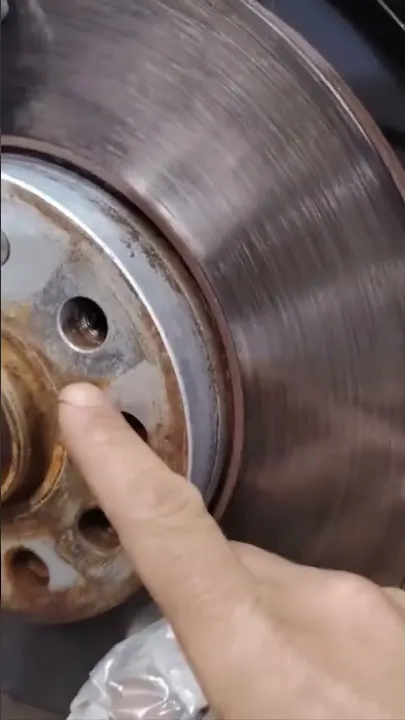
CV joint damage typically occurs due to wear and tear over time, but certain conditions can accelerate the process. The protective rubber boots that surround the joints can crack or split, allowing dirt and moisture to contaminate the internal lubricating grease.
Golfs that frequently navigate tight car parks, speed bumps, or uneven road surfaces around the West Midlands tend to experience more CV joint stress. High mileage vehicles and those that haven't had regular servicing are also more susceptible to this type of wear.
When we diagnose CV joint issues at our garage, we always show our customers exactly what's happening with video footage of the problem area. This helps you understand whether it's an urgent safety concern or something that can be planned for your next service.
What Causes Wheel Vibration in My VW Golf When Using Aftermarket Wheels?
Installing new aftermarket wheels on your VW Golf can transform its appearance, but sometimes you might notice vibrations that weren't there with your original wheels. Over the years, my son and I have diagnosed countless vibration issues for Golf owners here in Walsall, and the causes are usually straightforward once you know what to look for.
Understanding why your Golf vibrates with aftermarket wheels can save you time, money, and the frustration of an uncomfortable drive. Let me walk you through the most common culprits we encounter in our workshop.
Incorrect Wheel Balance and Hub Centering
The most frequent cause of vibration with aftermarket wheels is improper balancing or hub centering issues. Your original VW wheels were designed specifically for your Golf's hub dimensions, typically 57.1mm center bore.
When aftermarket wheels have a larger center bore, they rely on hub-centric rings to center properly on your car's hub. Without these rings, or with incorrect ones, the wheel sits off-center even when the lug bolts are tight. This creates an imbalance that becomes noticeable at motorway speeds.
We always show our customers the difference between hub-centric and lug-centric mounting through video demonstrations. The vibration usually manifests as a rhythmic shaking through the steering wheel or seat, particularly between 50-70mph speeds.
Weight and Offset Differences from Original Equipment
Aftermarket wheels often have different weights and offsets compared to your Golf's factory wheels. VW engineers calculated the original wheel specifications to work harmoniously with your car's suspension geometry and weight distribution.
When the new wheels are significantly heavier or have different offset measurements, this changes how forces transfer through your suspension components. Your Golf's suspension bushings, bearings, and dampers experience different loads than they were designed for.
We've found that even wheels marketed as "direct fit" can sometimes have subtle specification differences that create vibrations. During our inspections, we measure the actual offset and weight differences to determine if they're within acceptable tolerances for your specific Golf model.
Installation and Torque Specification Issues
Proper installation goes beyond simply tightening the wheel bolts. VW Golfs require specific torque settings, typically around 120Nm, applied in the correct sequence to ensure even pressure distribution.
Aftermarket wheels sometimes require different bolt types or lengths compared to the original equipment. Using incorrect bolts can create uneven clamping forces, leading to microscopic wheel movement that translates into noticeable vibration.
In our workshop, we always verify that the wheel bolt engagement meets VW's safety requirements and document this for our customers. We've seen cases where wheels appeared secure but were actually undertorqued or using bolts that were too short for the wheel thickness, creating dangerous driving conditions alongside the vibration symptoms.