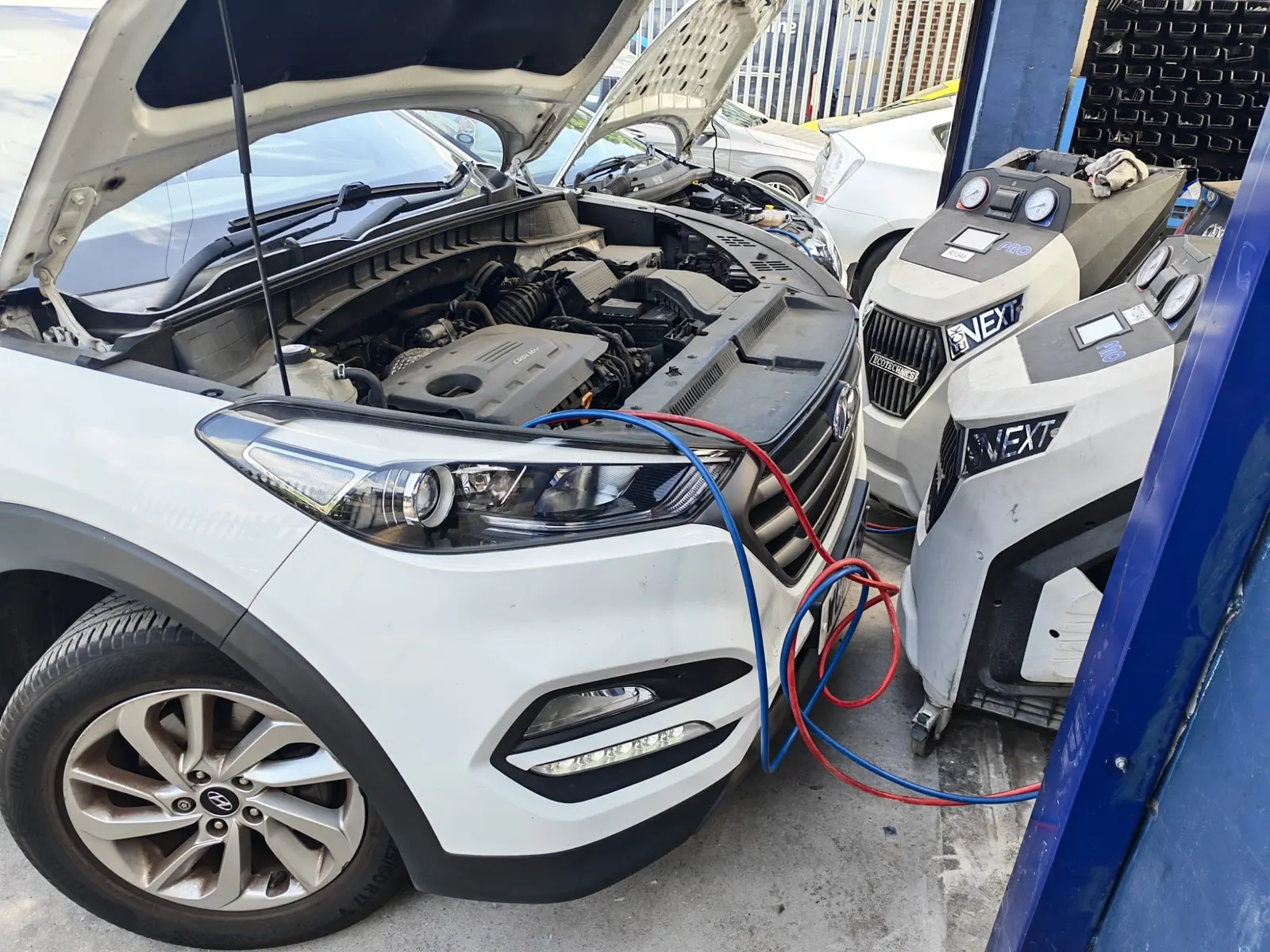
We had a 2012 Hyundai ix35 brought into our Walsall workshop recently, and the owner had one clear concern. Another mechanic had carried out work on the car, and she had started to notice some movement and an occasional knock that had not been there before. She was not sure what was causing it, but her instinct told her something was not right. Her instinct was correct.
Bolts Left Insufficiently Tightened After the Previous Work
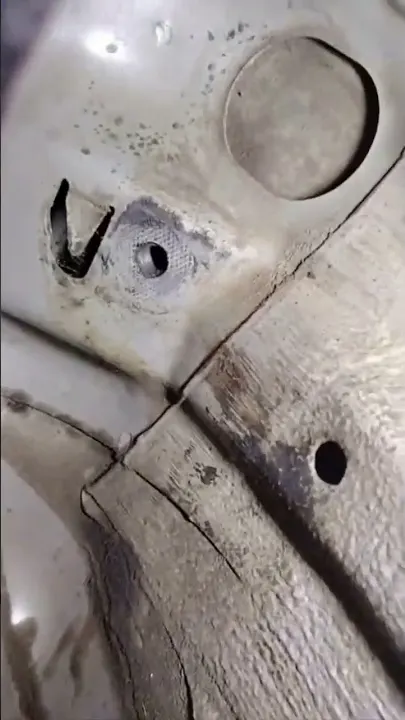
Once we got the car up on the ramp and worked through the areas that had been touched during the previous job, we found bolts that had not been torqued up properly. Torquing a bolt means tightening it to a specific measurement, measured in Newton metres, which is the unit used to express how much rotational force has been applied. Every bolt on a vehicle has a manufacturer specified torque value, and there is a good reason for that. Too loose and the bolt can work free over time. Too tight and you risk stripping the thread or cracking the component it is securing. Neither outcome is acceptable, and in this case the bolts were sitting well below where they needed to be.
What Happens When a Bolt Works Loose While You Are Driving
This is not a situation where you can monitor it and see how it goes. A bolt that is already under-tightened is being subjected to vibration, load and movement every time the car is driven. That process accelerates the loosening. Depending on where the bolt is and what it is holding, the consequences range from increased wear on surrounding components to outright failure while the car is in motion. If a bolt securing part of the suspension or braking system lets go on a road, the driver loses control of what the car does next. Beyond the immediate safety risk, components that move when they should not move cause accelerated wear to everything around them. What might be a straightforward retorque job at an early stage can become a much larger repair bill once other parts have been damaged.
We Worked Through the Vehicle Methodically and Retorqued Everything to Specification
We carried out a full check of all the areas that had been worked on previously, identified every bolt that was not sitting at the correct torque figure, and brought each one up to the manufacturer specification using a calibrated torque wrench. A calibrated torque wrench clicks or signals when the correct torque value has been reached, which removes any guesswork. We did not stop at the obvious areas. When a car comes in with work that has been done elsewhere, we check the surrounding components as well, because one bolt left loose is often a sign that the job was rushed more broadly. Once we were satisfied everything was correctly secured, we road tested the car to confirm the knock the owner had reported had gone. It had.
Signs to Watch for on Your Own Car After Any Mechanical Work
If your car has recently had work done anywhere and you notice a new knock, a vibration that was not there before, or any movement or noise when going over speed bumps or turning, do not leave it. These are common signs that something has not been reassembled correctly. It does not matter whether the work was done at a main dealer or a local garage, these things can happen, and the sooner they are caught the less damage is done. We see vehicles from across Walsall and the surrounding areas including Bloxwich, Aldridge and Willenhall, and jobs like this one are a reminder that a second opinion costs very little compared to what a loose component can cost you further down the road.
If you have had recent work done on your car and something does not feel right, bring it to us. We will check it over and tell you exactly what we find. We cover everything from routine car servicing and MOT testing through to diagnostics, brakes, suspension and engine repairs. Leave a message any time on 07970901354 and someone from the team will get back to you as soon as possible, or visit us at platinumvehicleservices.co.uk to book your car in.