Raq Hassan Raq Hassan

Nissan Juke DPF Regeneration in Walsall

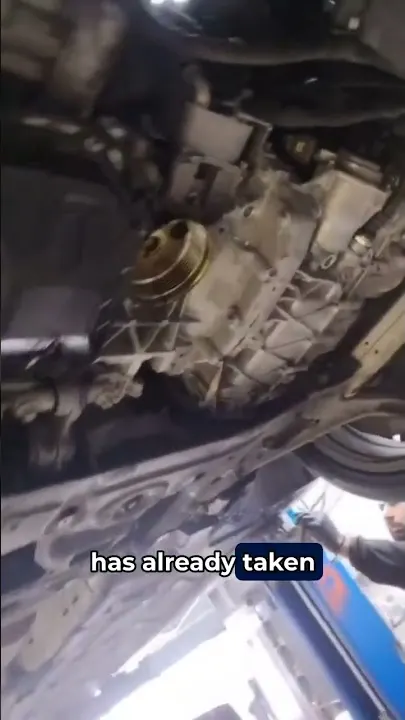
We had a silver Nissan Juke come into the workshop recently with the DPF warning light showing on the dash. The owner told us the car had been feeling sluggish and the light had been on for a few days. They were not sure what it meant, but they knew something was not right. We put it on our Snap-on Modis Edge diagnostic machine and confirmed what we suspected straight away. The diesel particulate filter was heavily loaded with soot and needed a forced regeneration carried out here in the workshop.

The DPF Soot Content Was High Enough to Prevent the Car from Regenerating on Its Own


The diesel particulate filter on this Juke works by trapping soot particles from the exhaust gases before they leave the tailpipe. Under normal driving conditions, the car will attempt to burn that soot off by itself during what is called a passive regeneration. This happens automatically when the exhaust temperature gets high enough, usually on a longer motorway run. The problem with a car that is mostly used for short trips around town is that the exhaust never gets hot enough for long enough to complete that process. Soot builds up gradually, and eventually the filter reaches a point where it cannot clean itself. On our diagnostic screen, the Modis Edge was showing us the real-time soot content inside the filter. When we connected it, the reading was high enough that the car's own system had already given up trying to regenerate. At that point, the only way to resolve it is a forced regeneration carried out by a technician using professional equipment.

Leaving a Blocked DPF Any Longer Risks Permanent Filter Damage and a Repair Bill Running into the Hundreds


This is worth understanding properly, because a lot of drivers see the DPF light, notice the car is still driving, and decide to leave it. That is when the situation gets expensive. A DPF that is sat at a high soot loading and not being addressed will eventually reach what is known as ash accumulation, where the blocked material can no longer be burned off at all. At that stage, a forced regeneration will not fix it. The filter itself needs replacing, and on a Nissan Juke that can cost anywhere from around 600 to over 1,000 pounds depending on whether you are looking at a genuine part or a quality aftermarket unit, plus the labour on top. There is also the risk of the engine going into a protective limp mode, where it cuts power to prevent further damage. When that happens, the car becomes unreliable to drive and potentially unsafe if it happens at the wrong moment. The earlier a blocked DPF is dealt with, the more options you have and the less it costs.

A Full Forced Regeneration Carried Out Using the Snap-on Modis Edge, with the Process Monitored Throughout Until Soot Content Returned to a Safe Level


To carry out the regeneration, we connected the Snap-on Modis Edge to the Juke's diagnostic port and initiated a forced regeneration cycle through the software. The machine controls the process and monitors the key parameters throughout, including the exhaust temperature before and after the filter, and the DPF soot content in real time. During regeneration the engine revs itself up and the exhaust temperature climbs significantly, often to over 600 degrees Celsius at the filter itself, because that is the temperature needed to burn the accumulated soot. We keep the car running on the ramp for the full duration, which in this case was around thirty minutes. The technician checked on the readings throughout and confirmed the soot content was dropping steadily. By the end of the cycle, the filter was reading clean and the warning light was off. The car left the workshop running smoothly with no warning lights showing and no sluggishness in the throttle response.

If Your Diesel Car Is Showing Warning Lights or Feels Heavy to Drive, Do Not Leave It


DPF problems are one of the most common issues we deal with on modern diesel vehicles, particularly those that spend most of their time on shorter journeys. If you drive a diesel and you are seeing a DPF warning light, a loss of power, increased fuel consumption, or white or grey smoke from the exhaust, those are all signs the filter may be loading up with soot. The earlier you bring it in, the more likely it is that a forced regeneration will resolve the problem completely without any need for parts. We carry out DPF diagnostics and regenerations regularly here in Walsall, and we use the same Snap-on Modis Edge equipment you can see in the video to monitor the process properly from start to finish. If you are unsure whether your diesel car is dealing with a DPF issue, bring it in and we will have a look. You can book in at platinumvehicleservices.co.uk.

Read More
Raq Hassan Raq Hassan

DPF Regeneration Walsall. What That Smoke From Your Exhaust Actually Means

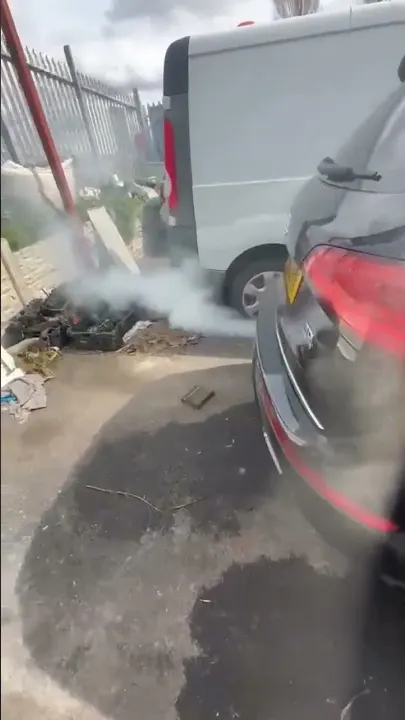
If you have ever seen thick white or grey smoke pouring from the back of a diesel car and assumed the worst, you are not alone. Most drivers do. But on an Audi Q5 we recently worked on at Platinum Vehicle Services, that smoke was not a sign of engine failure. It was a sign of a diesel particulate filter being saved from a very expensive replacement.

What Is a DPF and Why Does It Block Up?

The diesel particulate filter sits in your exhaust system and traps the soot produced during combustion. Think of it as the lungs of your exhaust. On cars used mainly for short journeys or stop-start driving, soot builds up faster than the car can burn it off on its own. When the filter gets too full, you will notice the signs. Reduced power, poor fuel economy, a warning light on the dash, or the car dropping into limp mode. Left too long, a blocked DPF can mean a full replacement costing well over £1,000.

What We Actually Do During a Forced Regeneration

When a diesel cannot clean its own filter through normal driving, a technician has to step in. We connect a professional diagnostic tablet to the vehicle and initiate a stationary regeneration cycle through the software. The engine runs at elevated RPMs while stationary, exhaust temperatures climb to over 600 degrees Celsius, and the accumulated soot is burned off. The white smoke you see in the video below is the byproduct of that process. It looks alarming. It is not. It is a DPF being cleaned rather than replaced.

Regeneration vs Replacement

A forced regeneration at Platinum Vehicle Services costs a fraction of a full DPF replacement. A new DPF for an Audi Q5 can run to £1,000 or more including labour. In many cases a forced regen is all that is needed to restore the filter and get the car driving normally again. The key is catching it early. If you have noticed a DPF warning light, limp mode, or your diesel has been used mainly for short trips, bring it in. We will assess the filter, carry out the regeneration, and give you a straight answer on whether cleaning is enough or whether replacement is the more sensible long-term option.

Read More